

Menstrual health and hygiene are fundamental to the well-being of girls and women, yet they remain significant public health challenges. In India, this natural biological process is frequently complicated by stigma, misinformation, and a lack of essential resources, impacting education, dignity, and overall quality of life.
A significant disparity exists in menstrual hygiene practices among young women in India. National data reveals that only a fraction, specifically 64.4% of women aged 15-24, utilize sanitary napkins. The remaining population resorts to unhygienic alternatives, such as cloth, which poses a substantial risk of infections and long-term reproductive health complications (Ministry of Health and Family Welfare, 2020). This problem is further intensified in rural and underserved areas as highlighted by a 2023 study in BMC Women’s Health, where accessibility to menstrual hygiene products is severely limited (Meher & Sahoo, 2023), leading to a higher prevalence of unsafe menstrual practices.
Inadequate menstrual health management has severe consequences, leading to significant educational setbacks for girls and impacting gender equality. WaterAid India reports that 23 million of girls drop out of school annually due to lack of access to sanitary products and proper sanitation(India Today, 2019). Globally, UNICEF emphasizes that menstrual hygiene is fundamentally linked to education, gender equality, and dignity. Recognizing the gravity of this issue, both international organizations and the Indian Supreme Court have highlighted the urgent need for improved menstrual hygiene policies and practices.
To address the pressing issues and challenges faced by adolescent girls, Xavier Institute of Social Action (XISA) and Shipra Sustainable Development Foundation (Shipra Foundation) propose to launch of the "Garima" campaign. This transformative initiative aims to empower around 2,00,000 schoolgirls across key states in India, including West Bengal, Odisha, Jharkhand, Bihar, Chhattisgarh, Madhya Pradesh, Rajasthan, and Telangana.
By prioritizing menstrual hygiene, the Garima' campaign directly contributes to Sustainable Development Goals 3 (Good Health and Well-being) and 4 (Quality Education), addressing adolescent health and minimizing school absences caused by menstruation.
This campaign aligns with Environmental, Social, and Governance (ESG) principles by promoting social equity through access to menstrual health resources, encouraging sustainable hygiene practices, and fostering community empowerment.
This campaign aligns with the National Education Policy (NEP) 2020's goals of equitable and inclusive education, holistic development, and the creation of healthy learning environments, particularly through its focus on health and sanitation.
The campaign will reach approximately 200,000 adolescent students, both girls and boys, through interactive workshops and discussions, aiming to educate them on menstrual health and hygiene. A key objective is to dismantle the stigma and taboos associated with menstruation by promoting open dialogue within schools and communities.
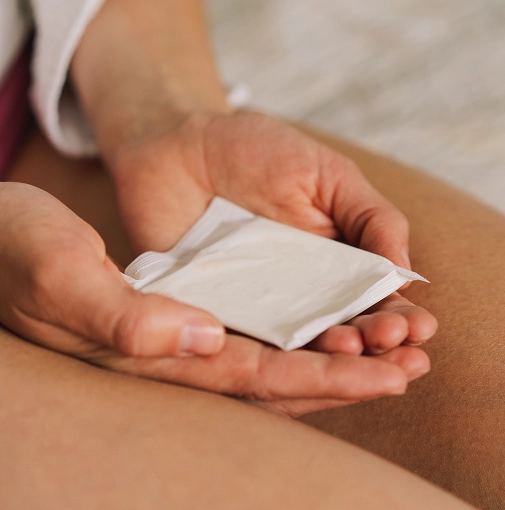
A key component of the initiative involves distributing sanitary pad packets to over 100,000 school girls, empowering them to maintain hygienic menstrual practices.

Educating around 2,00,000 students, including girls and boys, about menstrual health to dispel myths and encourage open discussions.

Provide more than 100,000 school girls with sanitary pads to promote safe and sustainable menstrual practices.

Normalize menstruation by breaking taboos and encouraging boys and communities to actively support menstrual health.

Reduce absenteeism and dropout rates among adolescent girls by addressing menstruation-related challenges.

Expand reach through digital platforms, social media campaigns, and community participation to amplify awareness and impact.
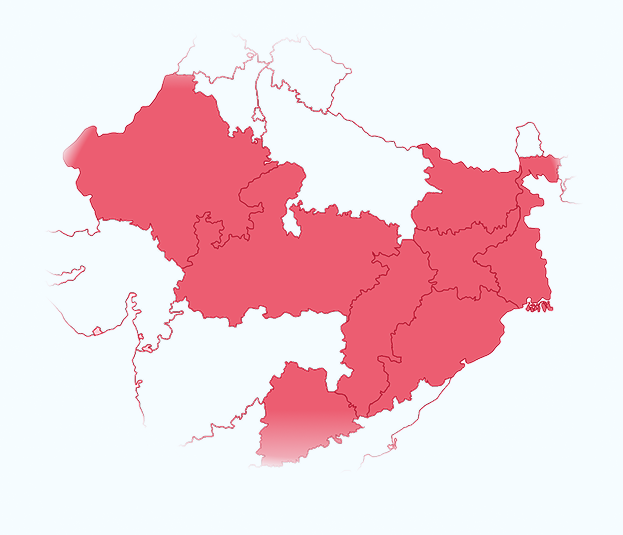
To create a meaningful difference, the ‘Garima’ initiative will be implemented across eight key states in India, ensuring widespread awareness and support.
Bleeding from your uterus that happens about once a month.
Around 28 days, but it can vary.
Cramps, bloating, mood swings, and headaches.